Archives
- 2026-05
- 2026-04
- 2026-03
- 2026-02
- 2026-01
- 2025-12
- 2025-11
- 2025-10
- 2025-09
- 2025-03
- 2025-02
- 2025-01
- 2024-12
- 2024-11
- 2024-10
- 2024-09
- 2024-08
- 2024-07
- 2024-06
- 2024-05
- 2024-04
- 2024-03
- 2024-02
- 2024-01
- 2023-12
- 2023-11
- 2023-10
- 2023-09
- 2023-08
- 2023-07
- 2023-06
- 2023-05
- 2023-04
- 2023-03
- 2023-02
- 2023-01
- 2022-12
- 2022-11
- 2022-10
- 2022-09
- 2022-08
- 2022-07
- 2022-06
- 2022-05
- 2022-04
- 2022-03
- 2022-02
- 2022-01
- 2021-12
- 2021-11
- 2021-10
- 2021-09
- 2021-08
- 2021-07
- 2021-06
- 2021-05
- 2021-04
- 2021-03
- 2021-02
- 2021-01
- 2020-12
- 2020-11
- 2020-10
- 2020-09
- 2020-08
- 2020-07
- 2020-06
- 2020-05
- 2020-04
- 2020-03
- 2020-02
- 2020-01
- 2019-12
- 2019-11
- 2019-10
- 2019-09
- 2019-08
- 2019-07
- 2019-06
- 2019-05
- 2019-04
- 2018-11
- 2018-10
- 2018-07
-
Introduction Adenosine kinase ADK ATP adenosine
2024-07-01
Introduction Adenosine kinase (ADK; ATP: adenosine 5′-phosphotransferase, EC 2.7.1.20), is isolated from yeast cells by Kornberg for the first time in 1951 [1]. ADK belongs to the ribokinase protein family and is one of the most abundant nucleoside kinases in mammalian tissues [2,3]. As the first i
-
In brief serotonin can interact with
2024-07-01
In brief, serotonin can interact with 7 classes of receptors are differentiated into 14 subtypes (Barnes and Sharp, 1999). Specifically, 5-HT1A and 5-HT2C receptors have been the most widely studied in the modulation of anxiety responses (Deakin et al., 1992; Millan, 2003). However, the studies that
-
Inactivation of autophagy can also impact the surface
2024-07-01
Inactivation of autophagy can also impact the surface internalization of MHC I molecules, leading to increased antigen presentation. Inactivation of autophagy factors Atg5 and Atg7 in DCs causes elevation of MHC I surface levels by decreasing endocytosis due to a poor recruitment of adaptor-associa
-
tetrandrine br Mechanisms of homeostasis At face value homeo
2024-07-01

Mechanisms of homeostasis At face value, homeostatic mechanisms may seem like nothing more than a simple balance between opposing forces; however, the ability of Mec1/Tel1 to each orchestrate both negative and positive regulation greatly complicates the system under consideration and argues again
-
It remains unclear to what extent UCP and UCP
2024-06-28
It remains unclear to what extent UCP2 and UCP3 are subject to the same acute molecular regulation as UCP1 (and the extent to which they share the same mechanism of uncoupling). Although they lack sequence homology in a matrix-localised region reportedly critical for fatty L-a-Hydroxyglutaric acid d
-
An in vitro assay in which endothelial cells form
2024-06-28
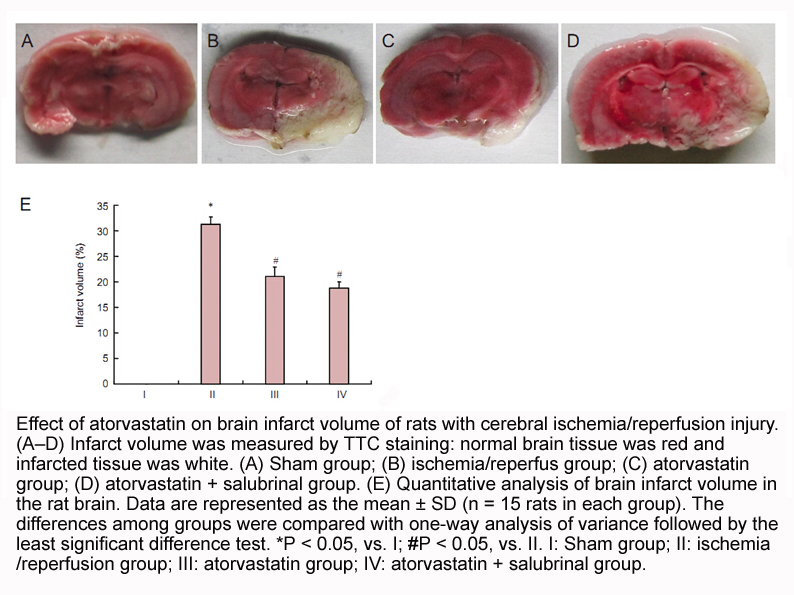
An in vitro assay in which endothelial cells form 3D tube-like structures was used to investigate effects of dNK on vessel stability. The results indicate that dNK cells from women with high spiral artery resistance index had reduced ability to activate endothelial cells, since endothelial cells pre
-
Due to its unique histological
2024-06-28
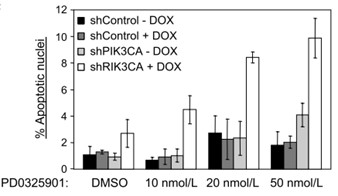
Due to its unique histological architecture and blood supply, the lung is one of the most susceptible organs under uncontrolled systemic inflammatory circumstance [16]. Several studies have reported the anti-inflammatory benefits of metformin in acute lung injury induced by lipopolysaccharide (LPS),
-
In a working group exposed
2024-06-28
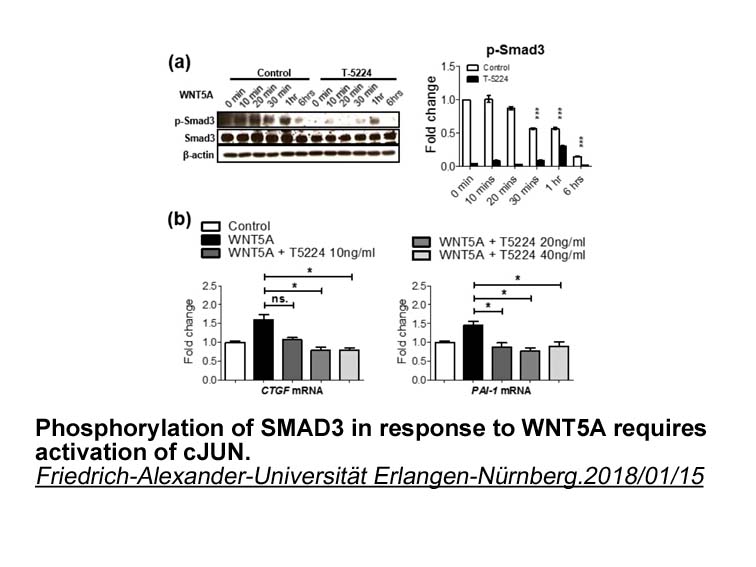
In 2008, a working group exposed 12-month-old transgenic mice (mutation for human amyloid precursor protein expression) and their non-transgenic littermates to isoflurane and halothane for 120min per day for five days. It was concluded that in the transgenic mouse there was overload of amyloid prote
-
Accumulating evidence suggest that patients with advanced po
2024-06-28
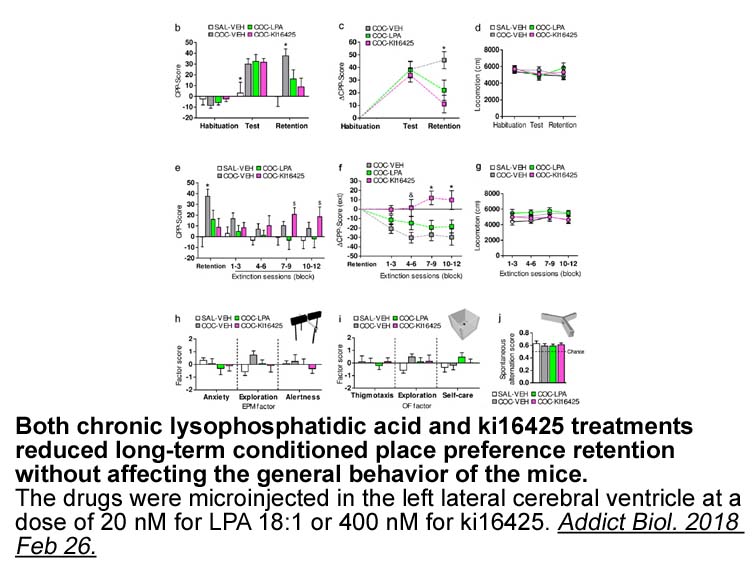
Accumulating evidence suggest that patients with advanced -positive NSCLC are at increased risk of VTE or coagulation disorders during the course of their disease, indicating that cancer genotype might play a role in the occurrence of cancer-related thromboembolism . Here we report the case of a pat
-
br Conflicts of interest br Acknowledgements This work was
2024-06-28
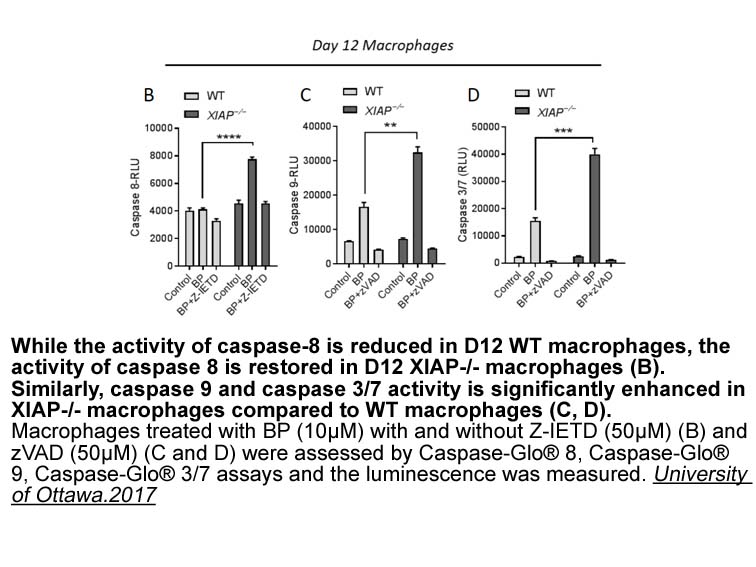
Conflicts of interest Acknowledgements This work was sponsored by grants from Longyan University Scientific Research Fund for the Young Scholars (LQ2016010), Middle-aged and Young Teachers Education Research Projects of Fujian Province (JAT170569), Longyan University Scientific Research Fund f
-
br Regulation of AHR Activity AHR activity is regulated in
2024-06-28
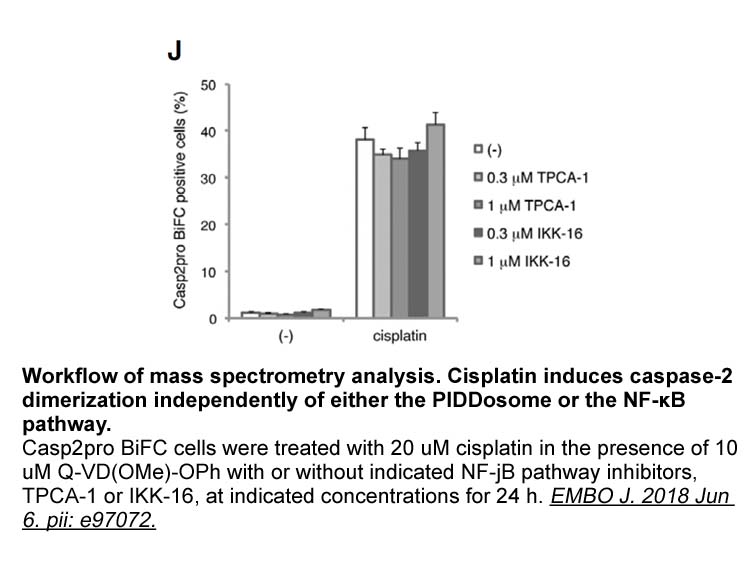
Regulation of AHR Activity AHR activity is regulated in various ways. First, AHR protein levels are controlled via ubiquitin-mediated proteosomal degradation: Ligand binding induces AHR ubiquitination and subsequent degradation by the proteasome [5]. AIP, a component of the AHR chaperone complex,
-
Thonzonium Bromide br Results br Discussion The present stud
2024-06-28
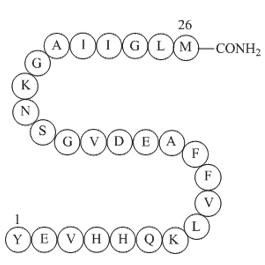
Results Discussion The present study uncovers a role of calpain, a family of calcium-dependent protease, in regulating postsynaptic differentiation at the NMJ. Cholinergic activation stimulates calpain, whose inhibition stabilizes AChR clusters in cultured muscle Thonzonium Bromide and in agr
-
Receptor tyrosine kinase Axl is
2024-06-28
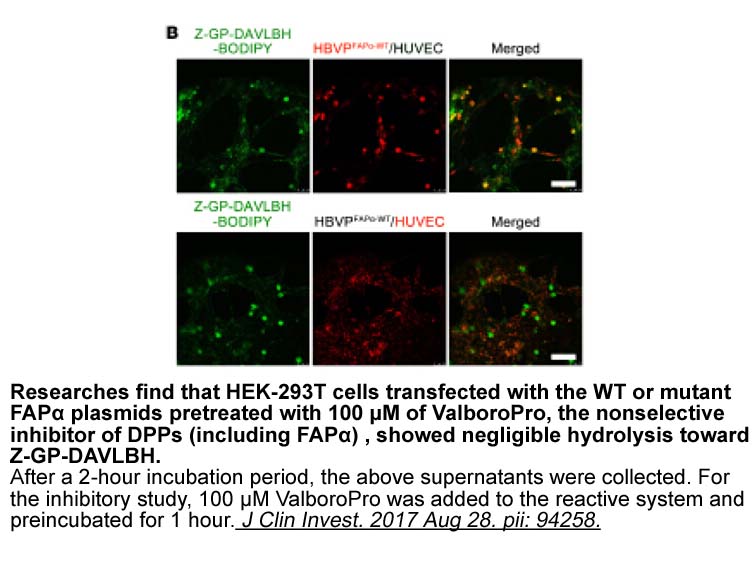
Receptor tyrosine kinase Axl is a member of the TAM (Tyro3/Axl/Mer) family, and has reported been associated with a spectrum of human cancers [8]. Numerous studies have revealed that the oncogenic potential of Axl is attributed to the anti-apoptotic and proliferative signaling pathways triggered by
-
The SKOV and SKOV TR cells were exposed
2024-06-27
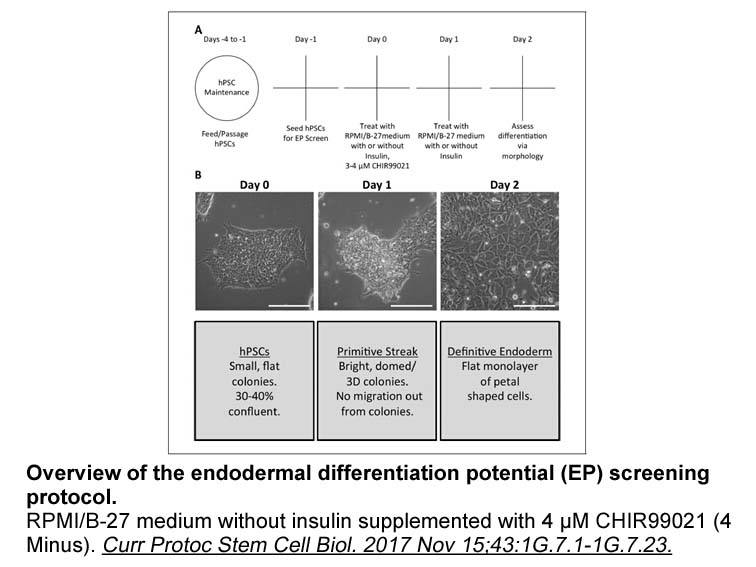
The SKOV3 and SKOV3TR nampt inhibitor were exposed to stepwise increased concentration of paclitaxel with or without a different concentration of autophagy inhibitor (3-MA or HCQ) to further evaluate whether suppression of autophagy affected the growth and drug sensitivity of ovarian cancer cells in
-
While the yeasts and see Glossary each contain only one
2024-06-27
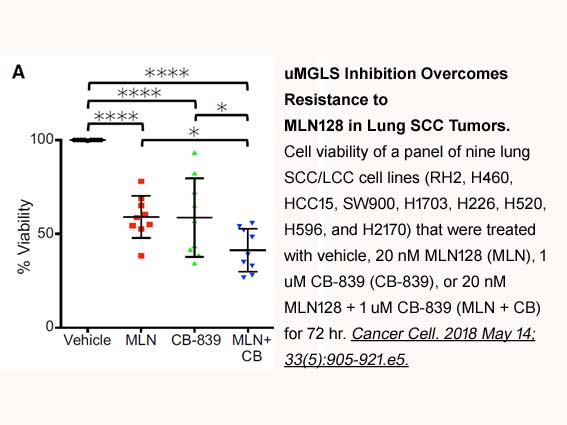
While the yeasts and (see Glossary) each contain only one Aurora homolog, Ipl1p (increase in ploidy 1) and Ark1 (Aurora-related kinase 1), respectively 5, 6, , and Xenopus laevis contain two Aurora kinases: Aurora A and Aurora B [4]. Mammals have three Aurora kinases, A, B, and C (Figure 1). In anim
16718 records 139/1115 page Previous Next First page 上5页 136137138139140 下5页 Last page